The RV photo checklist buyers actually read
RV buyers buy the inside. This is the shot list that covers both — what RV Trader actually asks for, what goes wrong with interior shots specifically, and the same required-angle order that drives VehiclePhoto’s own RV capture flow.
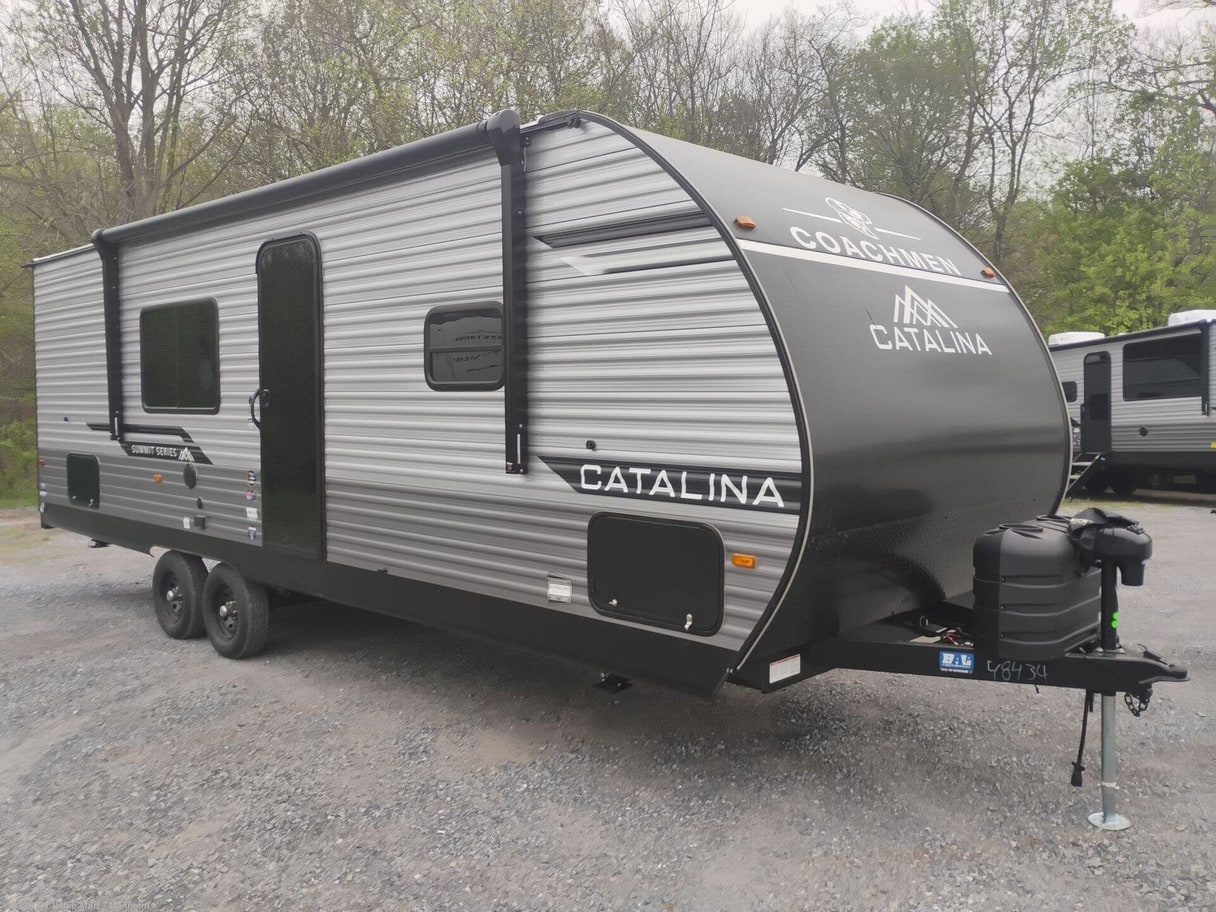
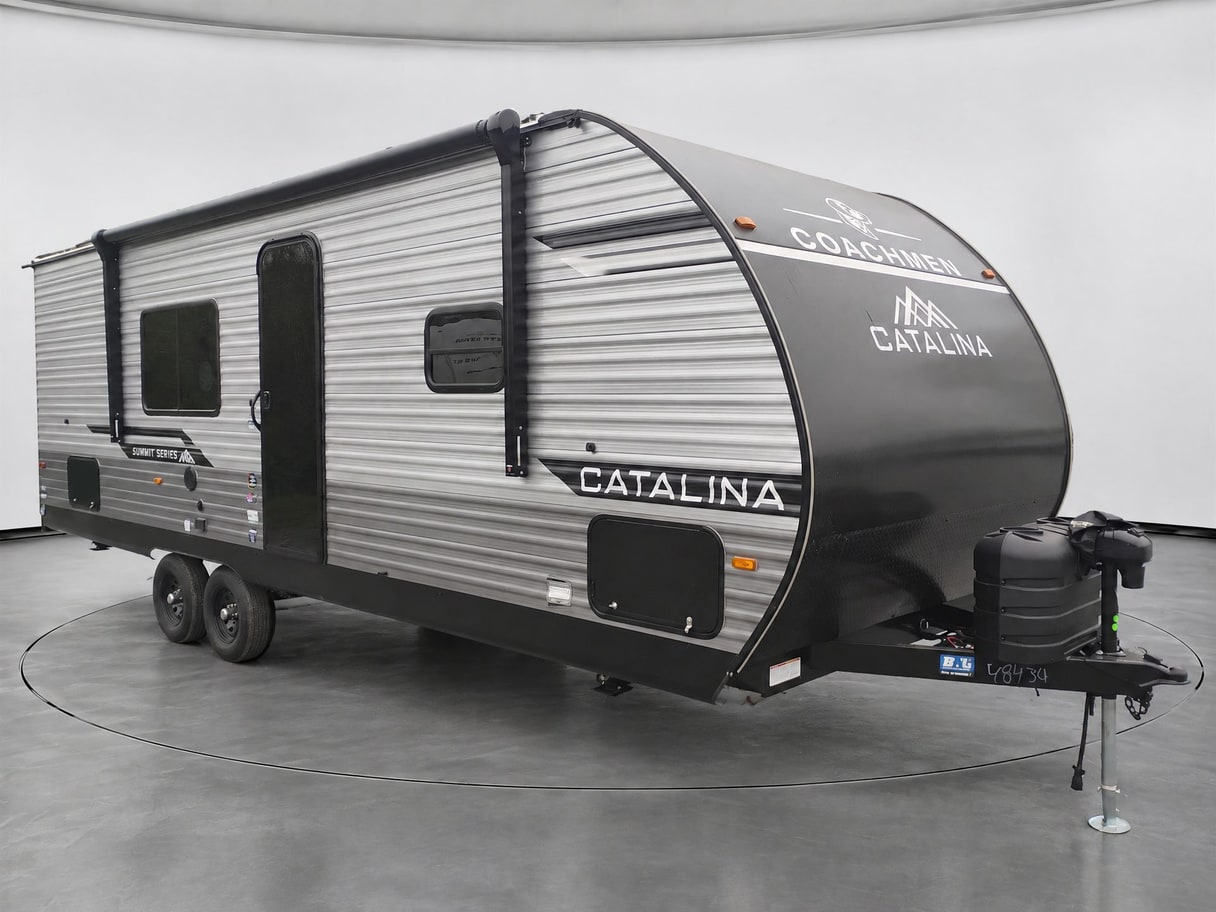
What an RV shopper scans for
An RV buyer is trying to picture living in the thing, not just driving it. That means the floorplan, whether the slide-outs are extended so the real interior width is visible, the kitchen and bath finish, storage, and the general condition of the roof and exterior. A gorgeous exterior shot next to three dark, cluttered interior photos reads as a unit with something to hide, even when it isn’t.
What RV Trader actually requires
RV Trader sells listing packages in tiers: Basic (4 photos, 2 weeks, $139.95), Enhanced (20 photos plus video, 8 weeks, $189.95), Best (50 photos plus video, 1 year, $289.95) and Ultimate (unlimited photos). Underneath that tier structure, its own blog guidance is more specific than any of the car marketplaces: “Aim for at least 25 clear, detailed pictures” — the highest photo-count guidance of any marketplace in this whole family.
RV Trader’s private-seller page asks for photos no larger than 5MB, saved as JPEG or JPG. Its 2019 photo guide recommends “a full outdoor RV shot as your main listing photo,” and it’s the most direct marketplace on stock photos of any we cover: “stay away from using stock photos of your unit.” A 2023 RV Trader post goes further: “Having no photos, or only using stock photos, are red flags for buyers.” Its plainest line, from the same 2019 guide, is the one worth building a whole photo strategy around: “Be honest and authentic with your customers. Don’t hide the imperfections.”
RV Trader states in a 2021 post on its own blog that listings with photos see 2.4X higher search result impressions, 6.5X higher click-through rates and 15.8X higher detail-page views than listings without — RV Trader’s own reported number, cited to its source, not one we measured.
What RV Trader doesn’t publish is also worth saying plainly: no pixel resolution, no aspect ratio, no watermark or border policy, and nothing specific about a dealer feed’s own photo spec. That’s a real gap in what’s public, not a hidden rule we’re choosing not to tell you — if your dealer feed has requirements beyond the file-size and JPEG floor above, they’ll come from your own feed provider, not from anything RV Trader has written down.
The full shot list
This is the same required-angle order VehiclePhoto’s own capture flow asks for on an RV — four exterior angles, the slide-outs extended, and three interior rooms, with the bathroom marked optional rather than required.
What goes wrong with RV photos, specifically
The single most common miss is photographing the slide-outs retracted. A buyer can’t judge the real living space of a unit whose slides are tucked in, and a retracted-slide photo next to a listing that advertises a spacious interior reads as a mismatch.
Dark, cluttered interiors are the second issue — cabin lighting is dim by design, and a phone camera left on auto-exposure will often blow out the windows while leaving the interior underlit. Screen glare on windows and the cabin door is a close third. And on a big lot, exteriors shot in a long identical row without any background separation make otherwise-different units look interchangeable in a scroll.
This applies whether you’re listing a Class A motorhome, a travel trailer, a fifth wheel or a truck camper — the required-angle order is the same set of exterior, slide-out and interior positions across every one of those, which is exactly why a big, mixed lot benefits from running the same cleanup and branding across all of it rather than treating each type as its own separate job.
What VehiclePhoto does with this list
Upload your existing interior and exterior photos and VehiclePhoto brightens the cabin, cuts window and screen glare, and makes interior photos answer the one question every RV shopper actually asks: what’s it like in there? Exteriors get lifted off a crowded lot onto a clean, matching background, and batch mode runs a whole row of units through the same cleanup and branding at once.
The full shot list
Every angle rv dealers buyers expect.
Exterior
- Front 3/4Wide shot
- Driver sideWide shot
- RearWide shot
- Passenger sideWide shot
Slide-outs
- Slide-outs extendedWide shot
Interior
- Living areaWide interior shot
- Kitchen / galleyWide interior shot
- BedroomWide interior shot
- BathOptionalInterior shot
Sources
- RV Trader — Sell RVs (package tiers)
- RV Trader — The Secret for Listing Your RV Online — “Aim for at least 25 clear, detailed pictures.”
- RV Trader — Private Seller Info — “sized to no more than 5mb (megabytes)”
- RV Trader — A Guide for Great Listing Photos (2019) — “Be honest and authentic with your customers. Don’t hide the imperfections.”
- RV Trader — Listings Without Red Flags (2023) — “Having no photos, or only using stock photos, are red flags for buyers”
- RV Trader — 8 Tips for Great Listing Photos (2021, first-party stat) — “2.4X higher search result impressions, 6.5X higher click-through rates, and 15.8X higher vehicle detail page-views”
Questions
Answered.
How many photos should an RV listing have?
RV Trader’s own guidance says to “aim for at least 25 clear, detailed pictures” — well above what any car marketplace asks for, which tracks with how much of an RV’s value lives in the interior.
Do I need to show the slide-outs extended?
Yes — it’s one of the required shots in the format, and it’s the single most common miss. A retracted slide understates the real interior space a buyer is trying to judge.
What file size and format does RV Trader want?
No more than 5MB per photo, saved as JPEG or JPG, per RV Trader’s private-seller page.
Should I hide small dings or wear before listing an RV?
No — RV Trader’s own guidance is explicit: “Be honest and authentic with your customers. Don’t hide the imperfections.”