The heavy equipment photo checklist buyers actually trust
Iron sells on hours, attachments and honest wear — not a polished shine. This is what Equipment Trader actually requires, what goes wrong with used-iron photos specifically, and the same required-angle order that drives VehiclePhoto’s own equipment capture flow.
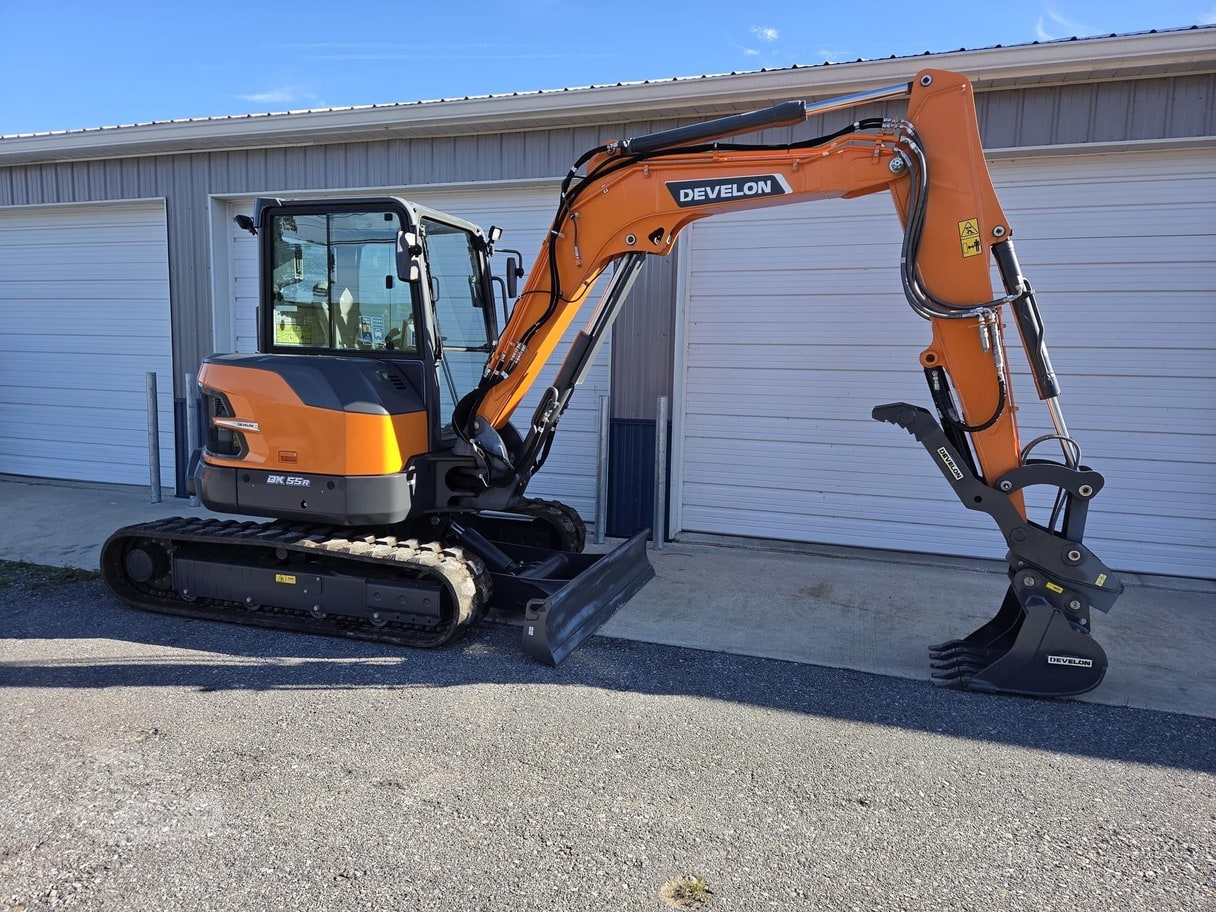
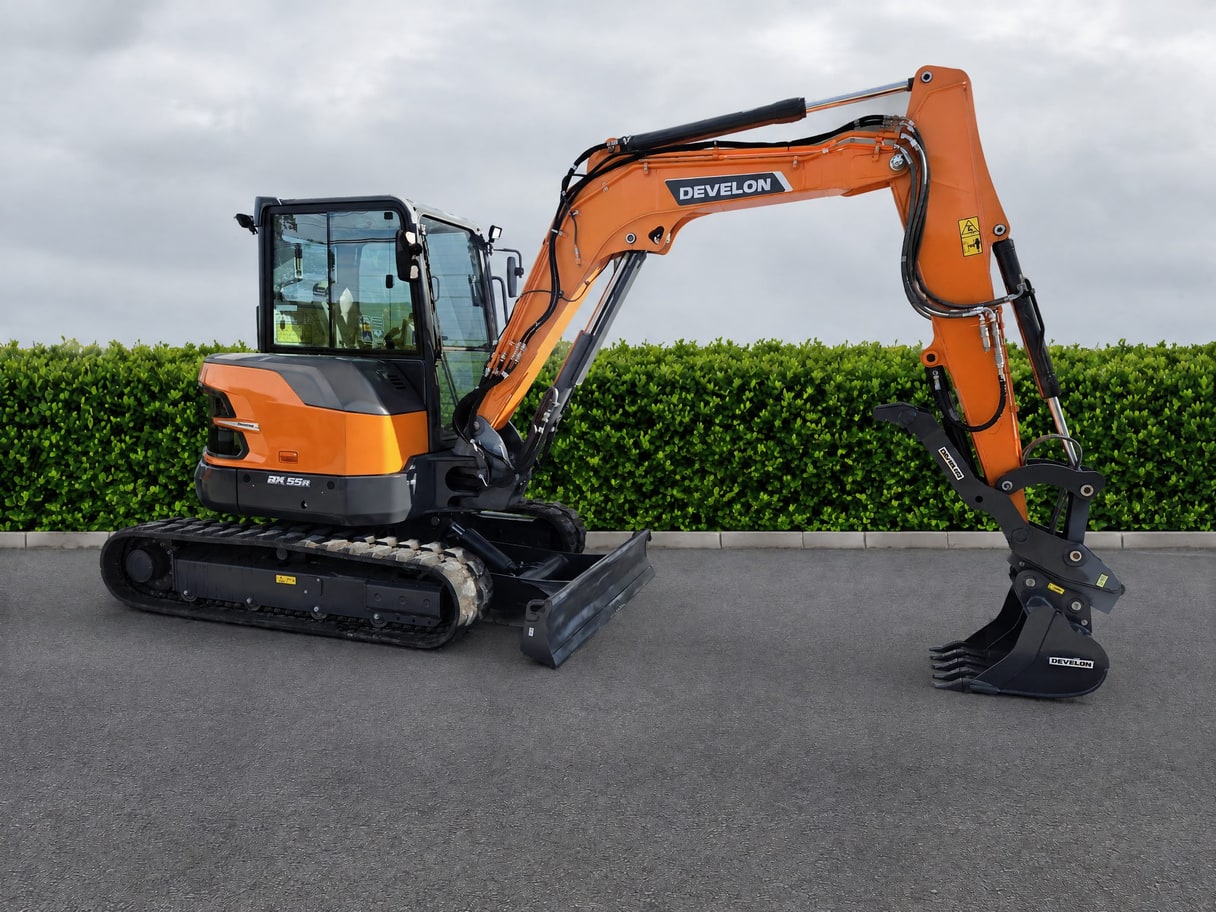
What an equipment buyer scans for
A used-equipment buyer trusts the hour meter more than almost anything else in a listing — it’s the plainest signal of how hard a machine has actually worked. From there they’re checking the undercarriage or tracks for wear, confirming which attachments are actually included in the sale, reading the serial or data plate to verify model and age, and looking for rust, weld repairs or hydraulic leaks that say more about condition than any description will.
This holds whether the machine is an excavator, a tractor, a loader or an implement — the specific wear points a buyer checks shift (undercarriage and bucket teeth on an excavator, hours and PTO condition on a tractor, tires and bucket edges on a loader), but the instinct to distrust a listing with no hour meter shot or no undercarriage photo is the same across all of them.
What Equipment Trader actually requires
Equipment Trader’s packages run Basic (4 photos, 2 weeks), Enhanced (20 photos plus video) and Best (50 photos plus video, 6 months). Its help center currently documents JPEG, JPG or GIF format, sized to no more than 100KB — a small legacy figure, so treat it as a documented floor rather than a confirmed modern ceiling.
The genuinely useful part of Equipment Trader’s own guidance is its editing policy, and it lands exactly on the honesty line every dealer eventually has to think about: “Avoid heavy filters or alterations that could mislead shoppers.” It goes further than any other marketplace we cover by actively recommending sellers include “photos of wear or damage to provide shoppers with some reassurance” — the opposite of hiding it.
What Equipment Trader doesn’t publish is worth saying plainly too: no pixel resolution, no aspect ratio, no watermark or border policy, no primary-image rule, and no performance stat of its own. That’s a real, documented gap — not evidence one way or the other about what’s actually allowed.
The full shot list
This is the same required-angle order VehiclePhoto’s own capture flow asks for on a piece of equipment — four orthogonal hero and side views, the hour meter and undercarriage as honest condition evidence, and the serial plate and attachments as detail shots.
That condition-evidence grouping isn’t decorative — it’s built into how the machine gets processed. Equipment is handled as condition-preserving by default, meaning the wear and hours you photograph are exactly what stays in the finished photo; cleanup touches the yard and the lighting around the machine, not the machine’s own condition.
What goes wrong with equipment photos, specifically
The hour meter gets skipped or shot blurry more often than any other required angle — usually because it’s a small gauge tucked in the cab — which is exactly the shot buyers trust most to verify real usage. Attachments left out of frame create ambiguity over what’s actually included in the sale, which turns into a dispute later rather than a clean transaction.
The condition mistake unique to this category is over-cleaning: polishing away rust, hiding hydraulic stains, or otherwise making a used machine look newer than it is. That’s the opposite of what Equipment Trader itself recommends, and it’s the kind of edit that turns a legitimate cleanup into a misrepresentation problem the moment a buyer sees the real machine in person.
What VehiclePhoto does with this list
On used iron, VehiclePhoto cleans the yard and the lighting — mud, glare, background clutter — while leaving the machine’s actual condition exactly as it is by default, matching Equipment Trader’s own guidance. It recognizes buckets, forks and other attachments and can list them in the specs, and its cutouts handle booms, tracks and big irregular shapes that trip up consumer background removers.
The full shot list
Every angle equipment dealers buyers expect.
Hero shots
- FrontFill the frame
- RearFill the frame
Both sides
- Left sideFill the frame
- Right sideFill the frame
Condition & wear
- Hour meterClose-up
- Undercarriage / tracksClose-up
Detail shots
- Serial / data plateClose-up
- AttachmentsClose-up
Sources
- Equipment Trader — Sell Equipment (package tiers)
- Equipment Trader — Photo Format & Size Help — size the image so that it is no more than 100 KB
- Equipment Trader — 10 Tips for Taking Listing Photos (2024) — “Avoid heavy filters or alterations that could mislead shoppers.”
Questions
Answered.
How many photos does an equipment listing need?
Equipment Trader’s packages run from 4 photos (Basic) to 50 plus video (Best) — and its own guidance actively recommends including wear and damage photos, not just the clean angles.
Do I need to photograph the hour meter?
Yes — it’s the number buyers trust most on used equipment, and it’s one of two dedicated condition shots in the required-angle list, alongside the undercarriage.
Should I clean up rust or wear before photographing a machine?
No. Equipment Trader’s own guidance says to “avoid heavy filters or alterations that could mislead shoppers,” and specifically recommends photographing wear or damage for buyer reassurance.
What if the machine is being sold with extra attachments?
Photograph them separately and clearly. Buyers need to know exactly what’s included in the sale, and an unclear listing turns into a dispute after the fact rather than a clean transaction.